Why Exclusivity Is No Longer Enough
For a long time, exclusivity was the easiest way to communicate luxury. If everyone could have it, it wouldn't be a luxury. The fewer people who could access it, the more desirable it became. Limited quantities. Private access. Waiting lists. Invitation-only events. The logo that could be recognised from across a room.
Scarcity created desire.
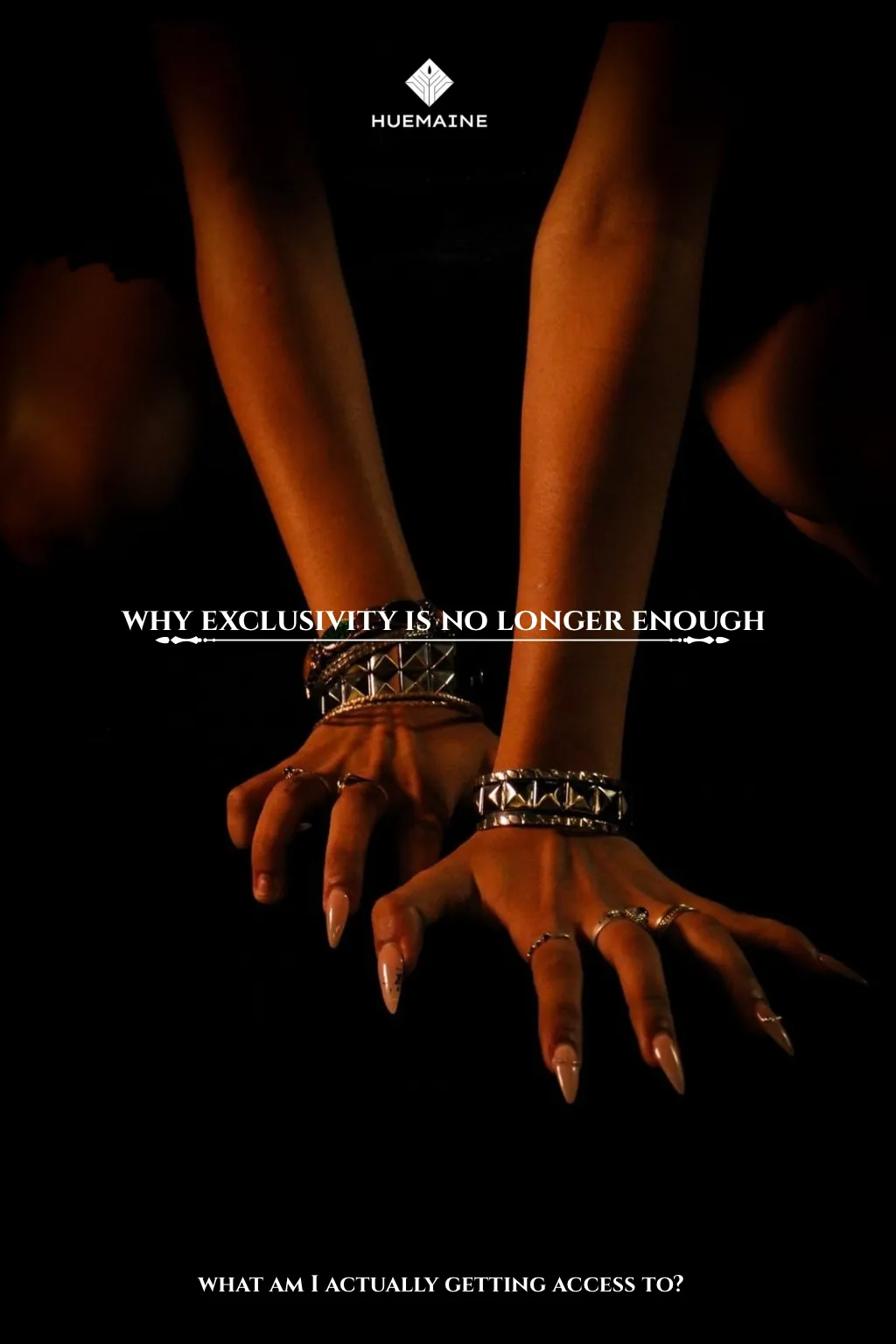
Today, being difficult to access is no longer enough to make something desirable. The new luxury consumer is asking a more complicated question: “What am I actually getting access to?” because exclusivity without meaning can quickly become just an expensive inconvenience.
The shift is subtle, but important. People still want things that feel rare. But rarity is no longer only about how few people can own something. It is increasingly about how difficult something is to replicate. A brand can manufacture scarcity. However, it is much harder to manufacture relevance. This is where African luxury has an interesting opportunity. Across the continent, consumers are becoming more sophisticated about what they value. They are exposed to global brands, global trends and global standards, but they are also developing stronger personal definitions of quality, identity and status.
The question is no longer simply, “Can I afford this?”
It is becoming, “Is this worth choosing?” And that distinction matters. When more people have access to luxury, the conversation moves beyond ownership. It moves towards taste. Experience. Story. Craftsmanship. Cultural relevance. The things that make someone choose one beautiful thing over another beautiful thing.
Think about it.
Two brands can produce equally expensive products. One sells exclusivity. The other creates an experience, a world and a point of view that people genuinely want to be part of. The second brand has something more powerful than scarcity. It has meaning. This is particularly relevant in Africa, where luxury cannot simply be imported as a formula. A global luxury house can open a store in Lagos, price its products at a premium and create an exclusive shopping experience. But the brands that truly understand the African consumer will go further. They will understand the culture around the product. They will understand how people gather, celebrate, dress, travel, host, create and express status. Because truly,luxury does not exist in isolation. It exists within culture. And culture is constantly changing.
For the new African consumer, status might not always look like a recognisable logo. It might be knowing the right designer before everyone else does. It might be having access to an experience that feels impossible to replicate. It might be discovering a Nigerian fragrance house, an African fashion label or a beautifully considered hospitality concept and choosing it because it feels more aligned with who you are.
That is a different kind of exclusivity and perhaps that is where luxury is heading. From exclusion to belonging, scarcity to significance, owning something rare to being part of something meaningful. The brands that understand this will not stop creating exclusive products. They will simply stop treating exclusivity as the entire strategy.
The future of luxury will not belong to the brand that can keep the most people out. It will belong to the brand that gives people a reason to want to come in.
Nelo Okpala