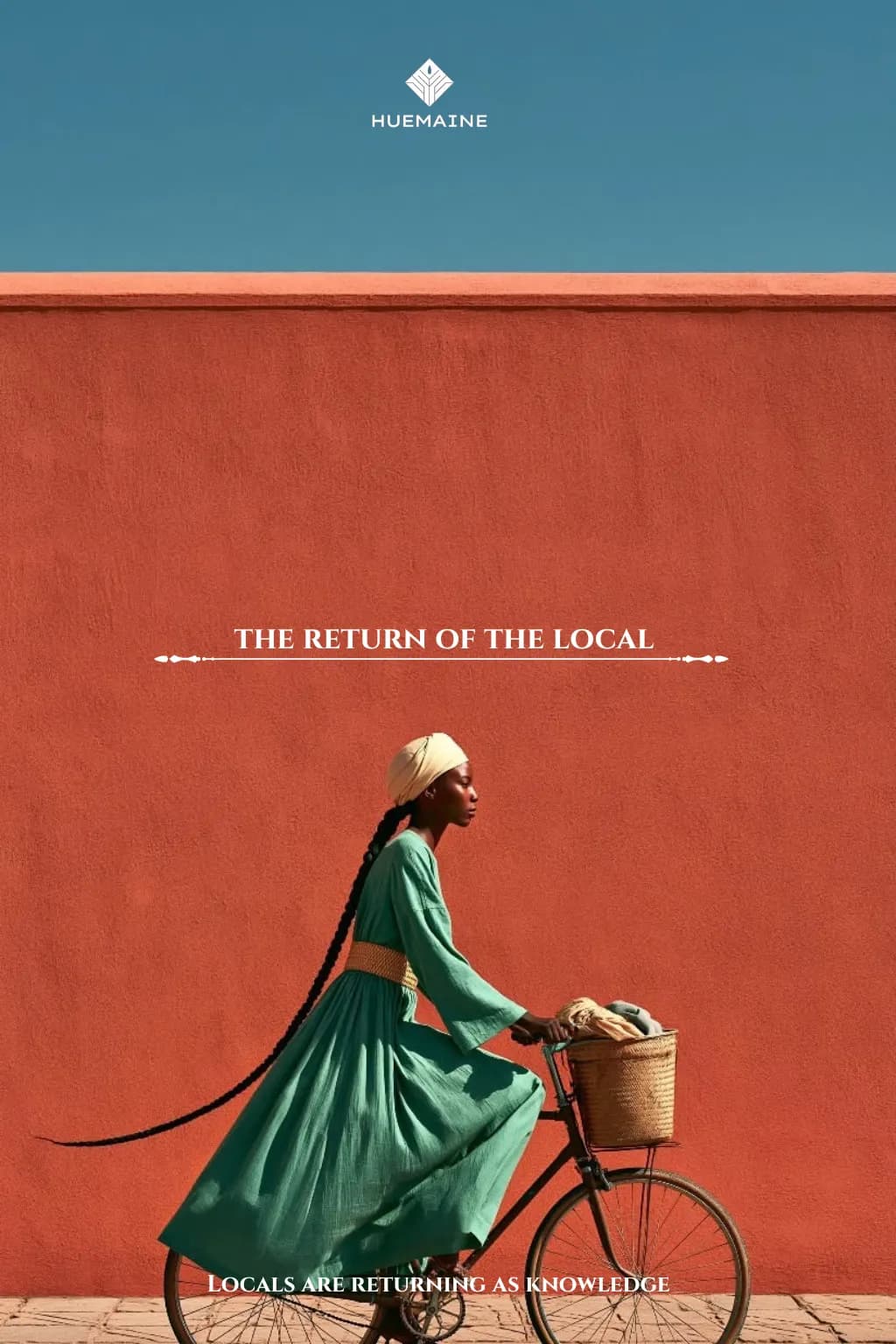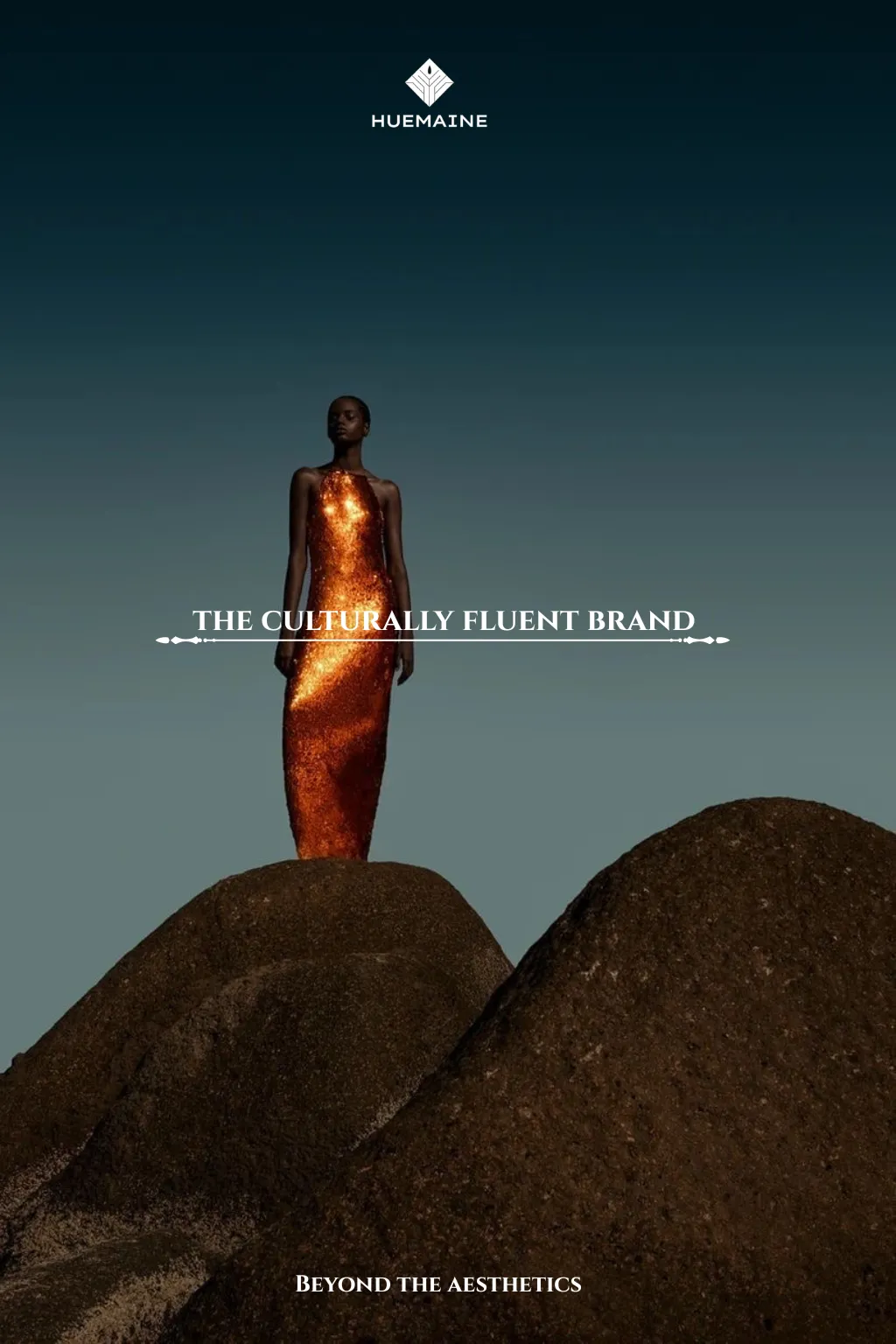
The Culturally Fluent Brand
A brand can understand its consumer without understanding their culture. In a market as layered, expressive and rapidly evolving as Africa, that distinction matters. For years, brands have approached culture as something to borrow from. A visual reference here. A familiar phrase there. A campaign built around a cultural moment. The intention may be relevant, but relevance is not the same as fluency.
Cultural fluency is knowing the difference between what people see and what something means. It is understanding why a particular song resonates beyond the song itself. Why certain spaces become aspirational. Why a colour, phrase, designer, meal or ritual can carry an entire social history. Why what people choose to wear, where they choose to be seen and who they choose to be associated with can communicate status before a single word is spoken. Culture is not a mood board. It is context. The brands that understand this are the ones capable of creating deeper relationships with consumers.
Beyond the Aesthetic
There is an easy version of African branding. It looks familiar. It feels recognisably African. It borrows from the visual language we already know.However, there is a difference between representing a culture and understanding it. A culturally fluent brand doesn’t simply ask, “How can we make this feel African?”
It asks, “What is happening in this culture right now?”
That question changes everything. It moves the conversation from traditional references to contemporary behaviour. From symbolism to psychology. From representation to relevance. Because Africa is not frozen in its heritage. It is producing new forms of music, fashion, architecture, language, nightlife, art, technology and social identity every day. Its consumers are not simply preserving culture; they are actively creating what comes next. The opportunity for brands is to pay attention.
Culture Is a Moving Target
The most interesting cultural shifts rarely arrive with an announcement. They appear in what people suddenly want. The restaurant everyone wants to be seen at. The emerging designer whose pieces begin appearing everywhere. The language that moves from a niche community into mainstream conversation. The neighbourhood that becomes the new cultural centre. The artist whose aesthetic begins influencing fashion, beauty and advertising. These aren’t isolated trends. They are signals and brands that are culturally fluent know how to read them. This is particularly important for luxury because luxury has always been about more than price. It is about meaning, distinction and belonging.
And as African consumers become increasingly confident in their own cultural identity, the definition of luxury is changing too. What once required external validation can now derive its value from local relevance. What feels exclusive may not be imported. It may be a place only a few people know about. The designer whose work has not yet become ubiquitous. The experience that cannot be replicated through a purchase. The cultural knowledge that cannot simply be acquired with money. In other words: Taste is becoming its own form of capital.
Fluency Creates Relevance
The culturally fluent brand does not chase every trend. It understands which ones matter. It knows when to participate, when to observe and when to create something entirely new. That requires curiosity. It requires listening to people beyond focus groups and demographic reports. It requires paying attention to the world consumers build when brands aren’t watching because consumers live in culture.
A person can be a fashion consumer, music listener, traveller, entrepreneur, creative and community member at the same time. Their decisions are connected by a worldview. The strongest brands understand that worldview. They don’t simply sell into culture. They contribute to it.
The Future Belongs to Brands That Understand
Africa’s next generation of powerful brands will not be built by asking how to look global. They will be built by understanding what is already happening here—and knowing how to translate it without diluting it. That means moving beyond the idea that African relevance requires African clichés. It means recognising that cultural confidence can be modern, minimal, experimental, luxurious, irreverent and entirely new. The question is no longer whether brands should engage with culture. They already do. The question is whether they understand it deeply enough to earn a place within it because a brand can borrow a culture’s language. It can reproduce its aesthetics. It can reference its symbols but fluency cannot be faked. And in a world where consumers are becoming more culturally aware, more discerning and more intentional about what they associate themselves with, understanding culture may become one of the most valuable forms of brand intelligence.
The future of branding isn’t simply cultural relevance. It is cultural fluency.
Nelo Okpala