The Rise of African Taste
For a long time , luxury in Africa was largely defined from the outside . It was a European fashion house. The French perfume. Italian leather. British tailoring. The international hotel. The imported object that carried a familiar name and, with it, a certain idea of status. To have taste was often to know what the rest of the world had already decided was tasteful.
But African consumers are increasingly redefining luxury on their own terms. They are moving beyond the assumption that luxury must be imported, recognisable and validated by Western institutions. For a growing number of consumers, luxury now means quality with cultural relevance, global standards with local character, and products or experiences that reflect who they are rather than simply what they can afford.
Across Africa, a new kind of consumer is emerging. One that is not simply asking, “Is this expensive?” but “Does this mean something to me?”
And that shift is bigger than fashion. It is a shift in how Africa understands taste itself. African taste is becoming less about imitation and more about interpretation. We are seeing designers reinterpret traditional textiles into contemporary silhouettes. Nigerian musicians are influencing the global fashion language. African architects are creating spaces that feel distinctly local without feeling trapped in tradition. Restaurants are turning indigenous ingredients into experiences that could sit comfortably within the language of global fine dining. Even social media has become a space where young Africans curate identities that are simultaneously local, global, nostalgic and futuristic.
The interesting part is that none of this is about rejecting the world. It is about entering the conversation with something of our own. For years, the global luxury industry often treated Africa as a market to sell to rather than a culture to learn from. African consumers were expected to understand luxury through established Western codes: the logo, the heritage, the exclusivity, the price.
Now, African consumers are developing their own codes. However,codes are not always obvious. Sometimes, luxury is the ability to wear something that references home without looking traditional. Sometimes it is a beautifully designed space that understands Lagos better than it understands Paris. Sometimes it is choosing a young African designer because the design speaks to an identity you recognise. This is where African taste becomes particularly powerful. Taste is not simply about knowing what looks good. It is about knowing what feels relevant.
The next generation of African consumers is increasingly interested in brands that understand context. They want quality, but they also want meaning. They want global standards without losing local character. They want things that feel considered, not simply expensive. This creates a huge opportunity for African brands but there is also a responsibility. African brands do not have to make everything “African” to prove their authenticity. We should be careful not to reduce African identity to prints, patterns, tribal references and familiar visual symbols.
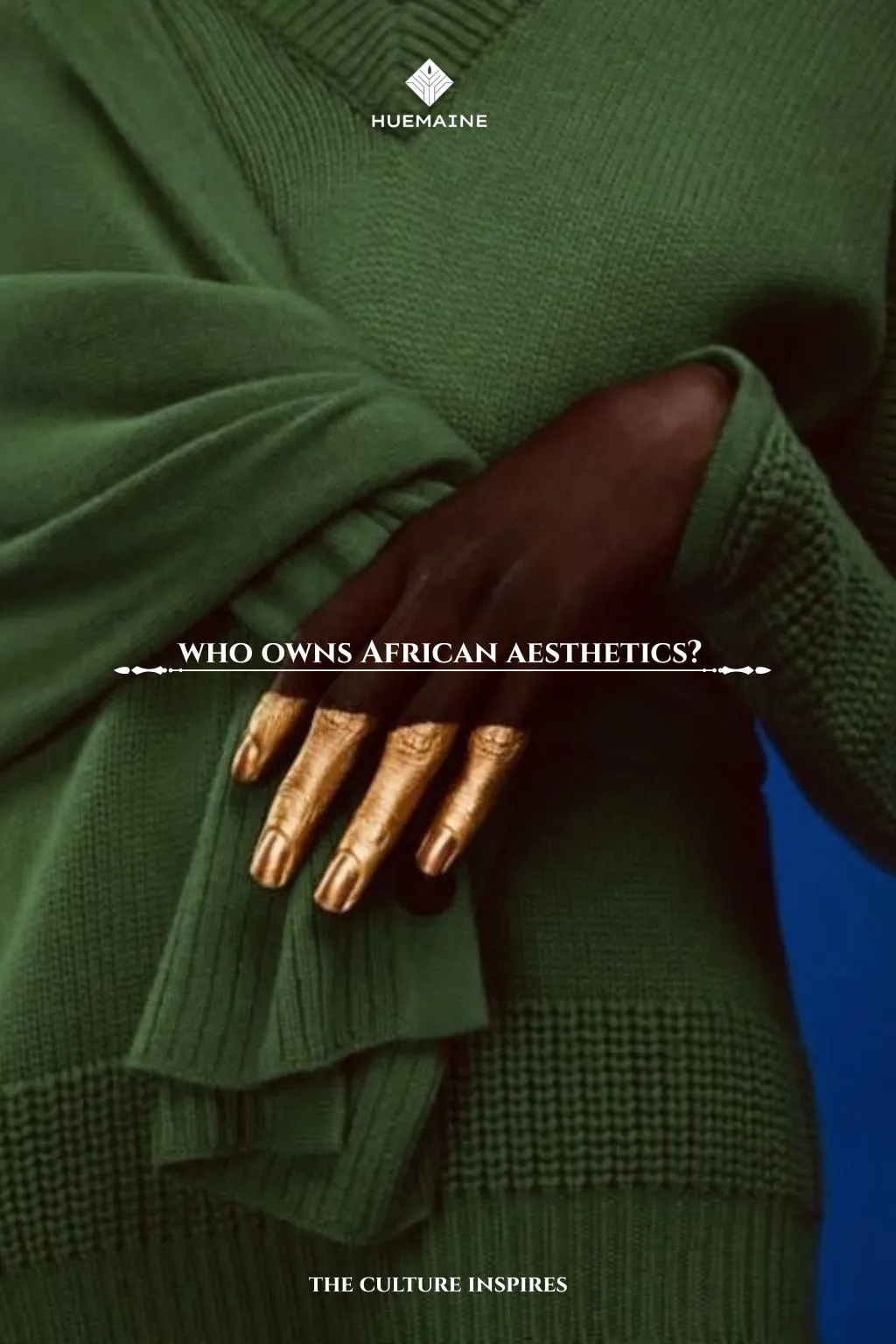
Africa is not an aesthetic.
It is a collection of cultures, contradictions, histories, ambitions and constantly evolving identities. The most exciting African brands will understand this. They will not simply ask, “How can we make this look African?” They will ask, “What does being African mean to the person experiencing this?”
That is a much harder question and a much more interesting one. Perhaps the future of African luxury is not about creating an African version of something that already exists. Maybe it is about creating new references altogether. The world has spent decades teaching Africa what luxury should look like.
Now, Africa is beginning to show the world what luxury can look like when it is defined on its own terms. That is the real rise of African taste. Not that Africa has finally learned how to have taste. But that Africa is finally realising it has always had its own.
Nelo Okpala