Who Gets to Define Luxury?
For centuries, luxury has been defined by a relatively small group of institutions, cultures and gatekeepers. Parisian fashion houses. Swiss watchmakers. Italian craftsmanship. European automobiles. Prestigious hotels. Auction houses. Glossy magazines.
Luxury became more than the possession of beautiful or expensive things. It became a language one with rules, symbols and references that told the world what was valuable, what was desirable and, ultimately, what was worth aspiring to. But who decided those rules? And more importantly, who gets to rewrite them?
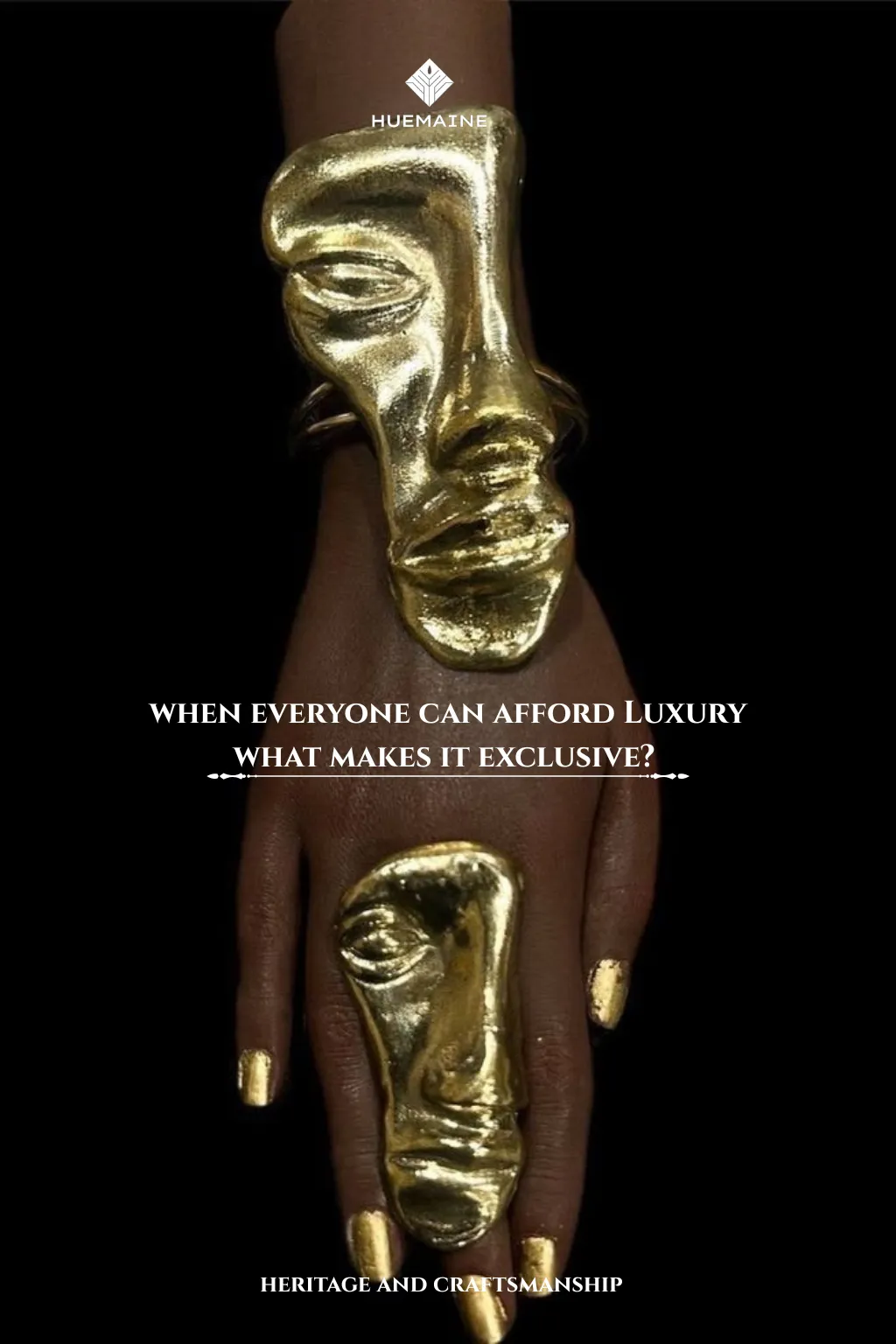
As Africa’s luxury market continues to evolve, this question is becoming increasingly difficult to ignore. For a long time, African luxury was often discussed through the lens of what the continent could consume: designer fashion, luxury cars, international hospitality, fine jewellery and imported beauty. The African luxury consumer was positioned primarily as a buyer of established Western luxury. Today, that narrative is beginning to change. Africa is not simply consuming luxury. It is creating it. From Nigerian fashion houses gaining international recognition to Ghanaian designers redefining contemporary tailoring, from South African hospitality experiences to African-inspired jewellery, art, beauty and architecture, a new luxury ecosystem is emerging .One that does not necessarily need to look European to feel exceptional. This raises a fundamental question: does luxury have to be validated elsewhere before it can be considered luxury? Perhaps the most interesting shift is that African consumers themselves are becoming more discerning about what luxury means to them. Luxury can be heritage. It can be craftsmanship. It can be exclusivity. But it can also be cultural relevance, storytelling, authenticity and access to something that feels deeply personal. For a new generation of consumers, owning the same handbag as everyone else may not carry the same significance it once did. The value may instead lie in discovering an emerging designer before they become globally recognised, commissioning a piece from a local artisan, staying at a beautifully designed boutique hotel or wearing something that carries a story that cannot be replicated.
In this context, luxury becomes less about “How much does it cost?” and more about “How much does it mean?” That distinction matters. If luxury is fundamentally about rarity, desire and perceived value, then African culture has always possessed the raw materials of luxury. Intricate craftsmanship. Generational knowledge. Textiles. Jewellery. Art. Architecture. Cuisine. Music. Ceremonies. Storytelling. Natural resources. And, perhaps most importantly, cultural narratives that cannot simply be reproduced elsewhere. The challenge has never necessarily been a lack of luxury. It has been who has been given the authority to name it luxury.
For decades, Western validation has played a significant role in determining which African creations receive global recognition. A designer becomes more prestigious when stocked by a European retailer. An African destination gains credibility when featured in an international publication. A local ingredient becomes desirable when incorporated into a Western luxury product. But what happens when the validation begins from within? That is where the future of African luxury becomes particularly compelling. The opportunity is not to create an African version of European luxury. It is to develop a definition of luxury that is informed by African realities, histories and aspirations.
This does not mean rejecting global luxury traditions. African consumers will continue to appreciate the craftsmanship of a Swiss watch, the history of a French fashion house or the engineering of an Italian automobile. The point is not to replace one definition with another. It is to recognise that there can be multiple definitions of luxury.
Perhaps luxury is not a fixed category at all. Perhaps it is a reflection of what a society values at a particular moment in time. And if that is true, Africa has an opportunity to influence what luxury looks like next. The future African luxury consumer may not simply ask whether something is expensive, exclusive or internationally recognised. They may ask whether it is meaningful, well-made, culturally relevant and worth remembering. That changes the conversation entirely. The most powerful luxury brands of tomorrow may not be the ones that convince Africa to want what the world has already decided is valuable. They may be the ones that convince the world to value what Africa has known was valuable all along.
So, who gets to define luxury?
Maybe the answer is no longer the traditional gatekeepers.
Maybe the answer is whoever has the courage to redefine it.
Nelo Okpala