The Ultimate Status Symbol
Do you recall the times when luxury could be recognized from a distance . A logo on a handbag, the badge on a luxury car, or an internationally recognised designer label was enough to communicate success. Wealth was expected to be seen, and luxury became its loudest language.
Across Africa’s emerging luxury landscape, a quieter form of status is taking centre stage—one that cannot be purchased outright. It is cultivated over time, shaped by curiosity, discernment, and an appreciation for craftsmanship, culture, and intentional living. It is called taste.
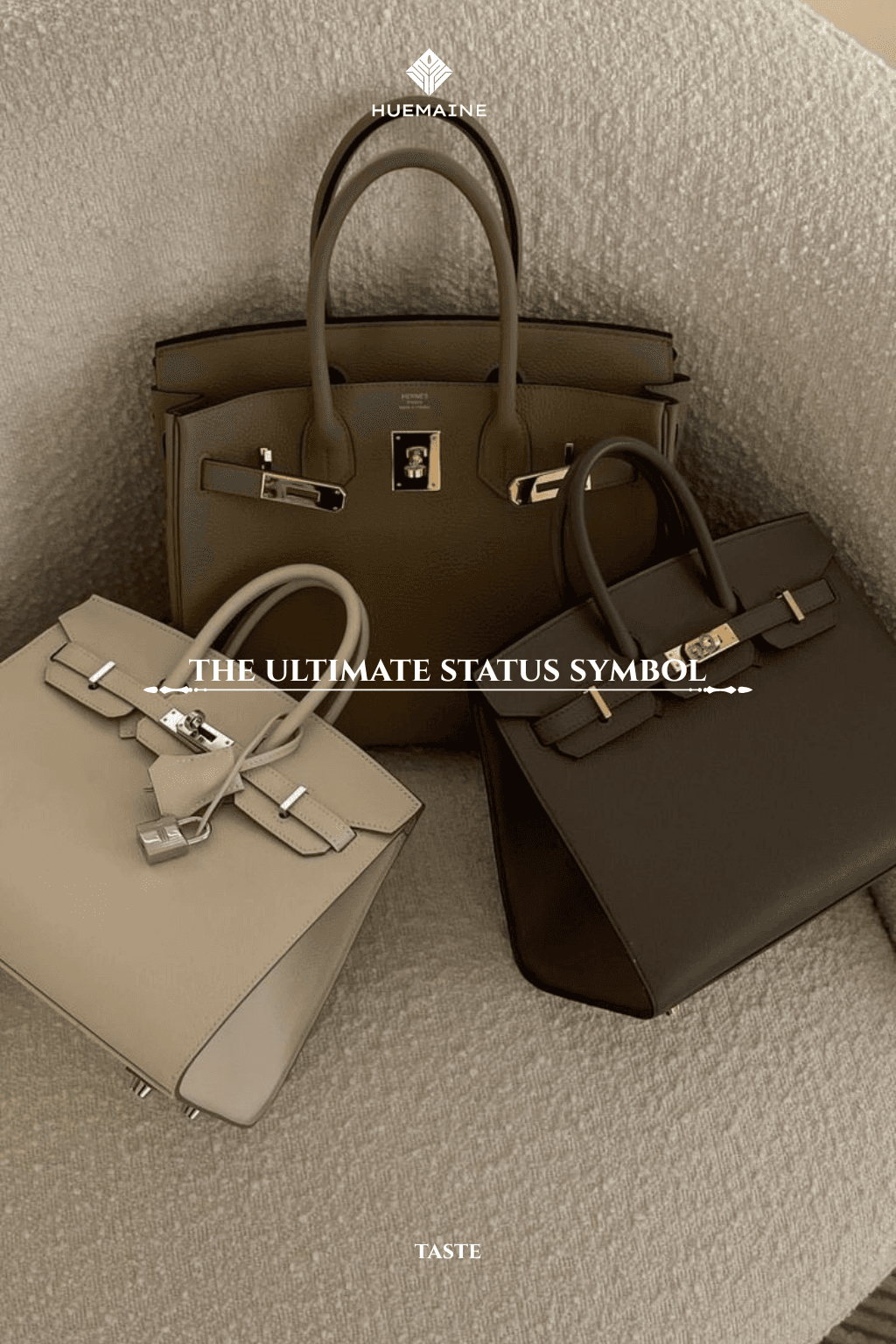
Taste has become the new status symbol because it cannot be replicated simply by spending more. Two people may own the same luxury item, yet what distinguishes one from the other is how they curate their world. The difference lies not in ownership, but in perspective.
This shift reflects a broader evolution in the luxury market. As access to premium goods becomes easier through global retail, digital commerce, and social media, exclusivity is no longer guaranteed by possession alone. Luxury consumers are becoming increasingly interested in meaning rather than mere acquisition. They seek stories behind products, relationships with brands, and experiences that feel personal rather than performative.
In Africa, this transformation carries even greater significance.
The continent’s creative industries have entered a remarkable period of global influence. Fashion, design, music, architecture, hospitality, and visual arts are no longer simply responding to international trends—they are helping define them. African luxury is steadily moving beyond imitation and into authorship, drawing strength from heritage while embracing contemporary innovation.
As a result, consumers are becoming more intentional about what they choose to value. Supporting local craftsmanship, collecting contemporary African art, dining at thoughtfully curated culinary experiences, investing in bespoke fashion, or appreciating architecture rooted in local identity are all expressions of a more refined understanding of luxury. These choices communicate something deeper than financial capacity; they reveal cultural awareness.
Social media has also played an unexpected role in this evolution. While it has made luxury more visible than ever before, it has also made obvious displays of wealth less remarkable. When everyone can see luxury online, visibility alone loses its power. Increasingly, distinction comes from discernment—knowing what resonates, understanding why it matters, and appreciating quality beyond its price tag.
This presents an important challenge for luxury brands.
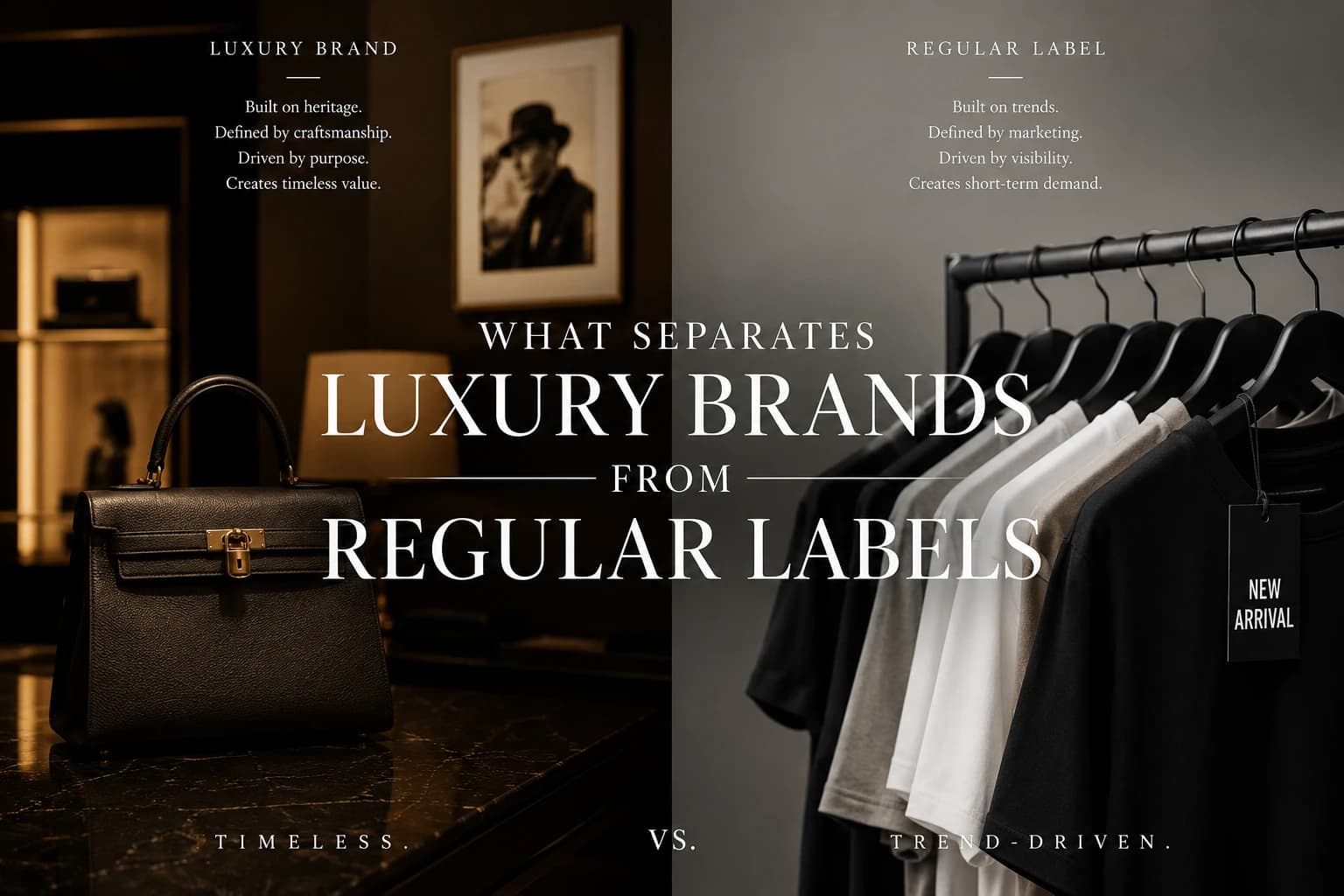
Consumers are asking different questions today. Beyond “How much does it cost?” they want to know: Who made it? What inspired it? What values does it represent? Does it contribute meaningfully to culture? Is it timeless, or merely trending?
The brands that will define the future of African luxury will not simply sell beautiful products. They will build meaningful narratives, celebrate craftsmanship, preserve heritage, and create experiences that foster emotional connection. In doing so, they move beyond transactions and become part of their customers’ identities.
Taste is not elitism. It is intentionality. It is the ability to recognise excellence, appreciate authenticity, and choose quality with purpose. It is less concerned with impressing others and more focused on expressing values.
Perhaps that is why taste has become the ultimate marker of modern luxury. Wealth can purchase access, but it cannot guarantee discernment. Money may acquire beautiful things, but only taste gives them context and meaning.
As Africa continues to redefine its place in the global luxury conversation, the most valuable currency may no longer be what we own, but how thoughtfully we choose. In an era where luxury is becoming increasingly accessible, taste remains one of the few things that cannot simply be bought—it must be cultivated.
And perhaps that is what makes it the rarest luxury of all.
Chisom Njoku