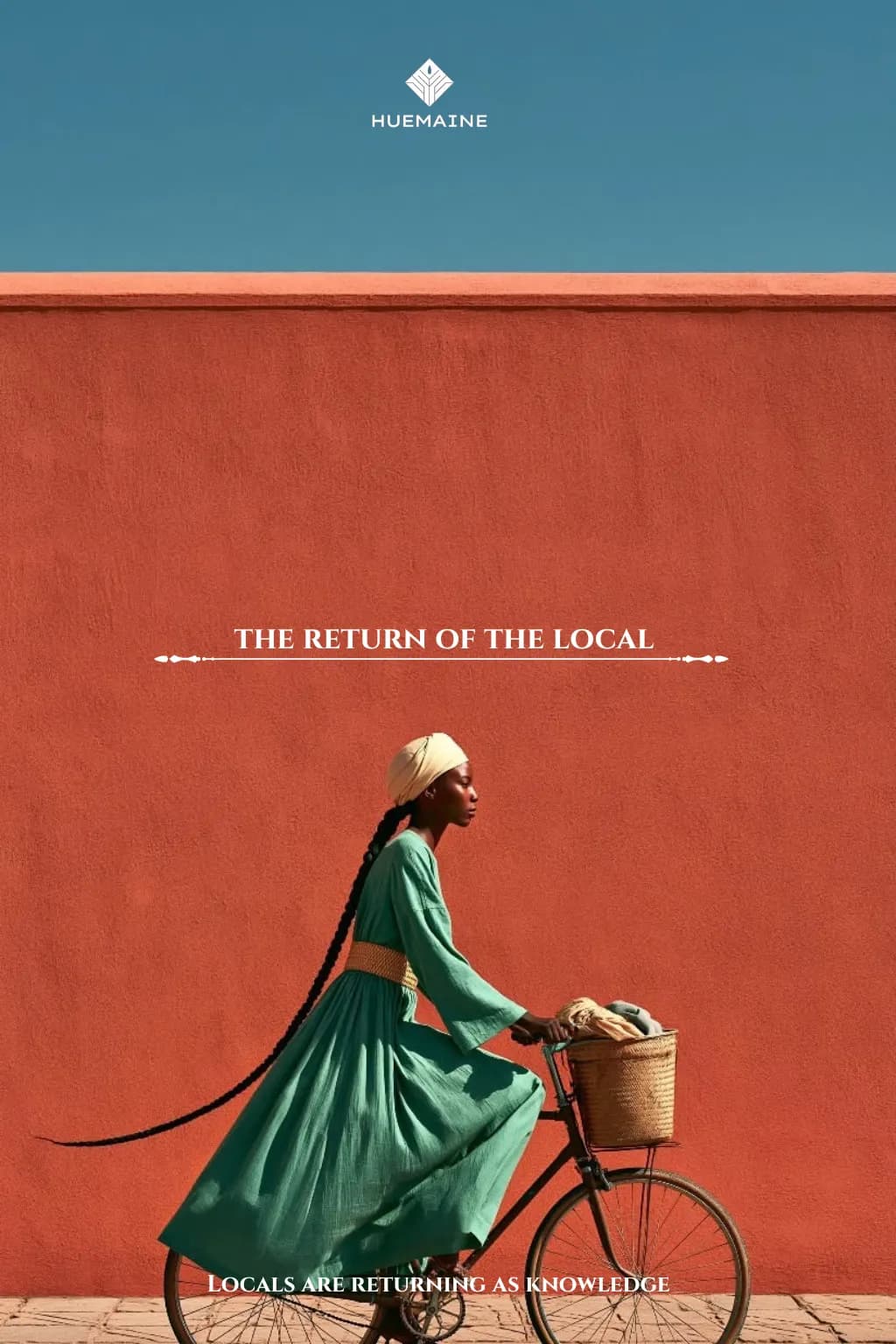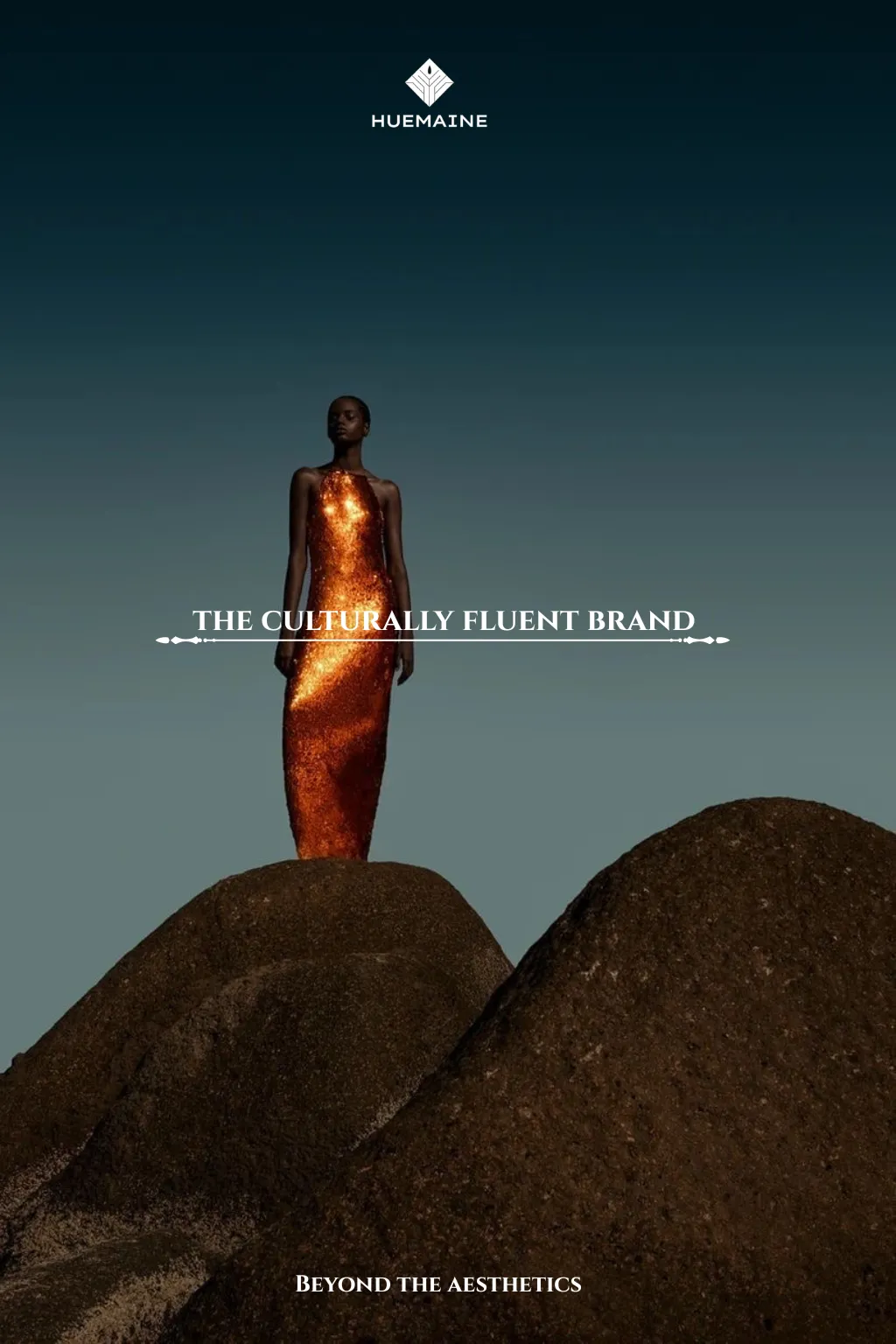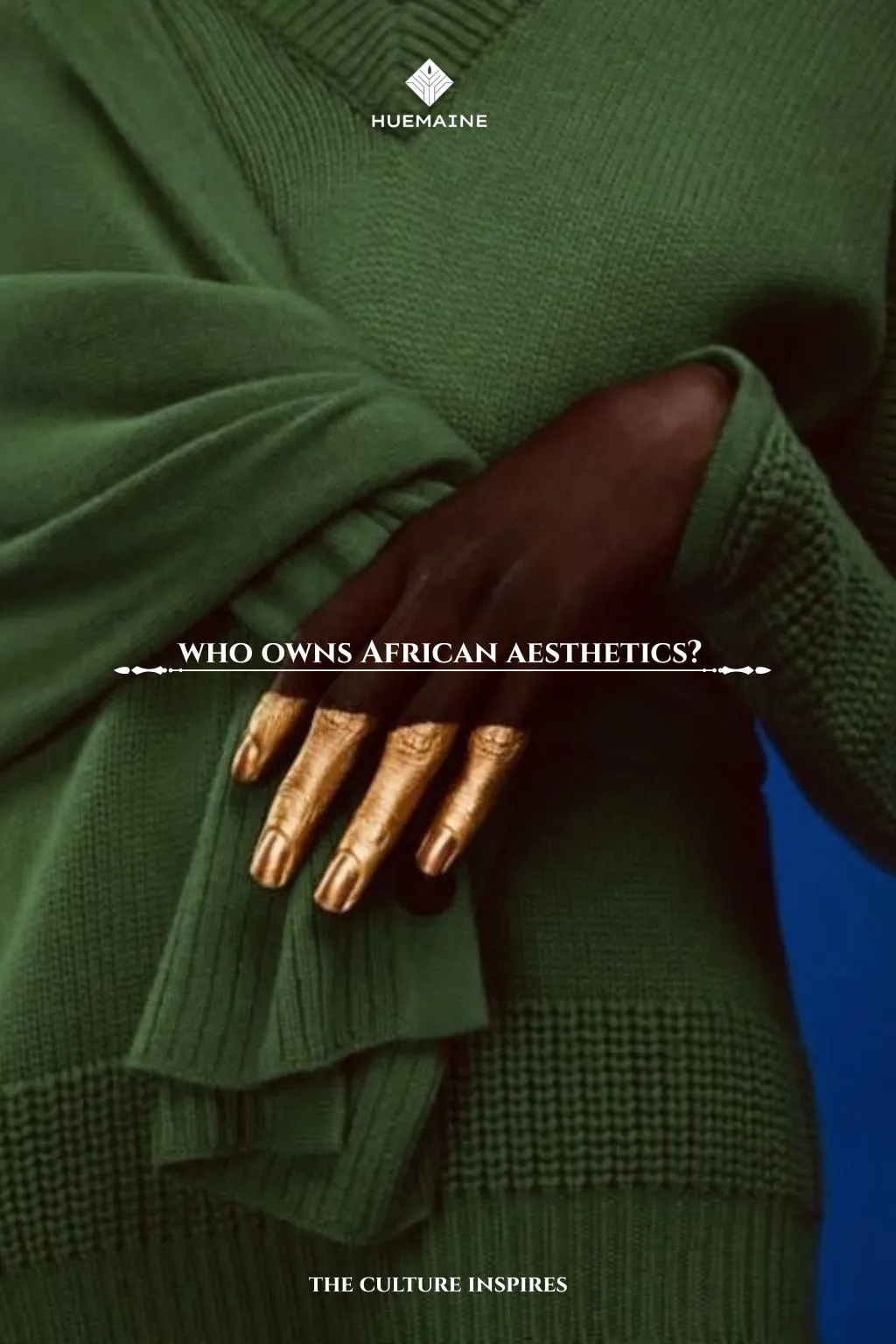
Who Owns African Aesthetics?
African aesthetics are having a moment.
Across fashion, beauty, interiors, jewellery, hospitality, photography and art, elements of African visual culture are increasingly appearing in global luxury spaces. Bold patterns. Sculptural forms. Traditional craftsmanship. Natural textures. Indigenous materials. Beading. Braiding. Earth-inspired palettes. Architectural references.
What was once dismissed as traditional is increasingly being described as contemporary, elevated and luxurious. But beneath the celebration is a more complicated question:
Who owns African aesthetics?
The obvious answer would be Africa. But culture has never been that simple. African aesthetics is not a single visual language. The continent contains thousands of cultures, traditions and histories, each with its own symbols, techniques and forms of expression. Yet global markets have often compressed this complexity into a single idea of “African.” That simplification creates a problem. When an aesthetic becomes commercially desirable, the people who created it do not always become the people who benefit from it.
A textile pattern can travel from a community into a global fashion campaign. A traditional craft can inspire a luxury collection. A hairstyle can move from cultural identity to international trend. A design language can be repackaged, renamed and sold at a premium, sometimes without meaningful acknowledgement of where it came from. Suddenly, something that existed for generations becomes “new.” And the question becomes less about whether inspiration is acceptable and more about who gets credit, who gets paid and who gets to tell the story.
This is particularly important within luxury. Luxury thrives on provenance. A Swiss watch is valuable partly because of where and how it was made. Italian leather carries meaning because of its craftsmanship and heritage. French fashion houses have built entire identities around historical continuity. So why should African cultural heritage be treated differently? If provenance adds value to luxury, then African provenance should not be erased when African aesthetics enter the luxury market. The craft is part of the value. The history is part of the value. The people are part of the value. Yet there is a strange contradiction in the global perception of African design. African creativity can be celebrated as inspiration while African creators remain invisible.
The aesthetic is desirable. The source is optional. That dynamic is beginning to change. A new generation of African designers and creatives is becoming increasingly intentional about ownership. They are not simply referencing their heritage; they are building brands around it, protecting their creative language and placing African narratives at the centre of the product rather than treating them as decoration.
This is a crucial distinction.
There is a difference between using Africa as an aesthetic and creating from an African point of view. The first can reduce culture to a mood board. The second gives culture authorship which changes everything. It determines who gets to define what is authentic. Who gets to decide which traditions evolve and which should be preserved. Who gets to reinterpret heritage for a contemporary audience. And ultimately, who gets to profit from the cultural capital being created.
But ownership does not necessarily mean that African aesthetics should remain exclusively within Africa. Culture travels. It always has. African music has travelled. African food has travelled. Fashion has travelled. Art has travelled. People have travelled. The goal should not be to build walls around culture. It should be to build equitable relationships around it. Collaboration rather than extraction. Credit rather than erasure. Investment rather than imitation. Partnership rather than appropriation. This is where luxury brands have an enormous opportunity. Imagine what happens when a global fashion house doesn’t simply borrow an African technique, but invests in the artisans who have preserved it. When a hotel doesn’t merely decorate its interiors with African-inspired objects, but commissions local artists and gives them a platform. When a beauty brand doesn’t simply market an ingredient as exotic, but builds its storytelling around the communities and knowledge systems that have understood it for generations. That is a different kind of luxury. It is luxury with provenance, responsibility and meaning. Perhaps this is where the conversation around African aesthetics needs to go next. Away from the question of whether the world is finally appreciating African design. And towards a more important question:
Is the world appreciating African design on African terms?
Because recognition without ownership can still be another form of extraction. The future of African luxury should not be about keeping African aesthetics away from the world. It should be about ensuring that when African aesthetics enter the world, Africa does not disappear from the story.
The pattern can travel. The craft can evolve. The design can be reimagined. The culture can inspire. But the people, history and creativity behind it should remain visible because African aesthetics do not need permission to be luxurious. They need authorship.
And perhaps the most important luxury Africa can claim now is not simply the ability to influence global taste.
It is the ability to own its influence.
Nelo Okpala