The Rise of the African Luxury Consumer
For years, the African luxury consumer was spoken about as a future opportunity. A market waiting to mature. A continent waiting for more wealth. A consumer waiting to discover the world’s most prestigious brands. Is that framing already outdated?
The African luxury consumer is no longer waiting. They are here and increasingly, they are deciding what luxury means to them. This distinction matters. For a long time, the relationship between Africa and the global luxury industry was largely transactional. African consumers were expected to travel abroad to shop, look towards European fashion houses for status and measure luxury through globally recognised names.
The ultimate symbol of success was often something imported. But a new generation is changing the equation. They have grown up connected to the world. They have access to the same fashion shows, campaigns, design movements, restaurants, hotels and cultural conversations as consumers in Paris, London, Dubai or New York. They can discover a Nigerian designer on Instagram, watch a runway show in real time and book a luxury experience thousands of kilometres away, all before breakfast.
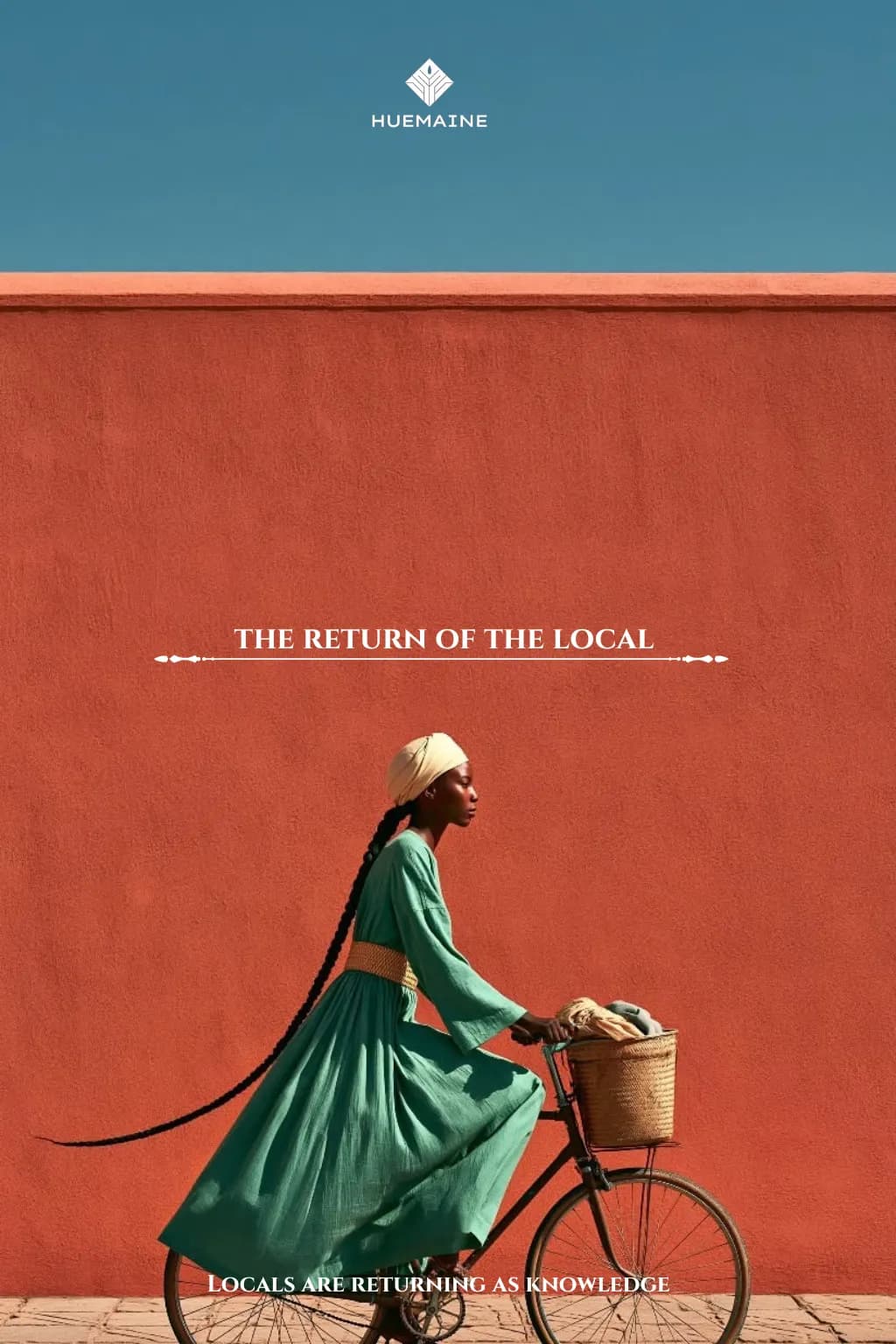
Their world is global but their tastes are becoming increasingly local. This is perhaps the most interesting development in African luxury. The new consumer does not necessarily want to choose between African identity and global sophistication. They want both. They can appreciate the craftsmanship of a European fashion house while searching for a Lagos-based designer with an equally compelling point of view. They can desire a Swiss watch and still care deeply about African art. They can spend on international hospitality while seeking experiences that feel rooted in their own culture.
The aspiration is no longer simply to belong to the global luxury conversation. It is to have a voice within it. That changes what brands need to understand about Africa. The African luxury consumer cannot be reduced to a demographic, a spending bracket or a collection of cities with growing wealth. There is no single African luxury consumer. There are entrepreneurs, creatives, executives, collectors, tastemakers, members of established families and a younger generation building wealth in entirely new ways. Their motivations are different. Some are buying heritage. Others are buying rarity. Some want visibility. Others want privacy. Some want the recognisable logo. Others are actively looking for what nobody else knows about yet. However, across these differences is a growing sophistication: the ability to distinguish between something that is expensive and something that is truly valuable.
That distinction could become one of the defining characteristics of the next phase of African luxury because as access increases, simply being able to afford something becomes less impressive.
Knowing why you want it becomes more interesting.
The new luxury consumer is increasingly interested in provenance, craftsmanship, cultural relevance and experience. They want to know where something came from, who made it, why it matters and whether it carries a story worth telling. This is where Africa’s luxury opportunity becomes particularly powerful. The continent possesses something many luxury brands spend enormous amounts of money trying to manufacture: story. Generational craftsmanship. Indigenous materials. Architecture. Music. Food. Art. Fashion. Beauty rituals. Textiles. Jewellery. Design. Cities with unmistakable personalities.
These are not marketing assets waiting to be packaged. They are cultural capital. The challenge is transforming that cultural capital into luxury without stripping it of its meaning. That requires more than placing an African motif on a product and attaching a premium price. It requires investment in craftsmanship. Strong creative direction. Exceptional service. Intelligent storytelling. Global standards of execution. And, most importantly, confidence.
Because African luxury should not have to constantly explain why it belongs in the room. It should simply be good enough to command the room. There is also something else happening beneath the surface: the African consumer is becoming a tastemaker.For years, the flow of influence was largely one-directional. Global brands defined what was desirable, and African consumers responded. Now the influence is becoming more fluid. African fashion, music, beauty, art, hospitality and design are travelling further. African creatives are shaping global aesthetics. African cities are developing their own luxury ecosystems. And consumers outside the continent are beginning to seek out the culture rather than simply observe it.
That creates an important shift.
Africa is moving from being a consumer of luxury culture to a contributor to luxury culture. And perhaps that is the real story. The rise of the African luxury consumer is not simply about how much money is being spent. It is about who gets to shape desire. Who gets to decide what is beautiful. What is rare. What is sophisticated. What is worth preserving. What is worth paying more for. The most exciting future for African luxury may therefore not be a continent filled with more international luxury stores. It may be a continent where the world begins looking inward not to sell to Africa, but to discover what Africa has created. Because the African luxury consumer is no longer asking:
“What does the rest of the world consider luxury?”
They are beginning to ask a much more powerful question:
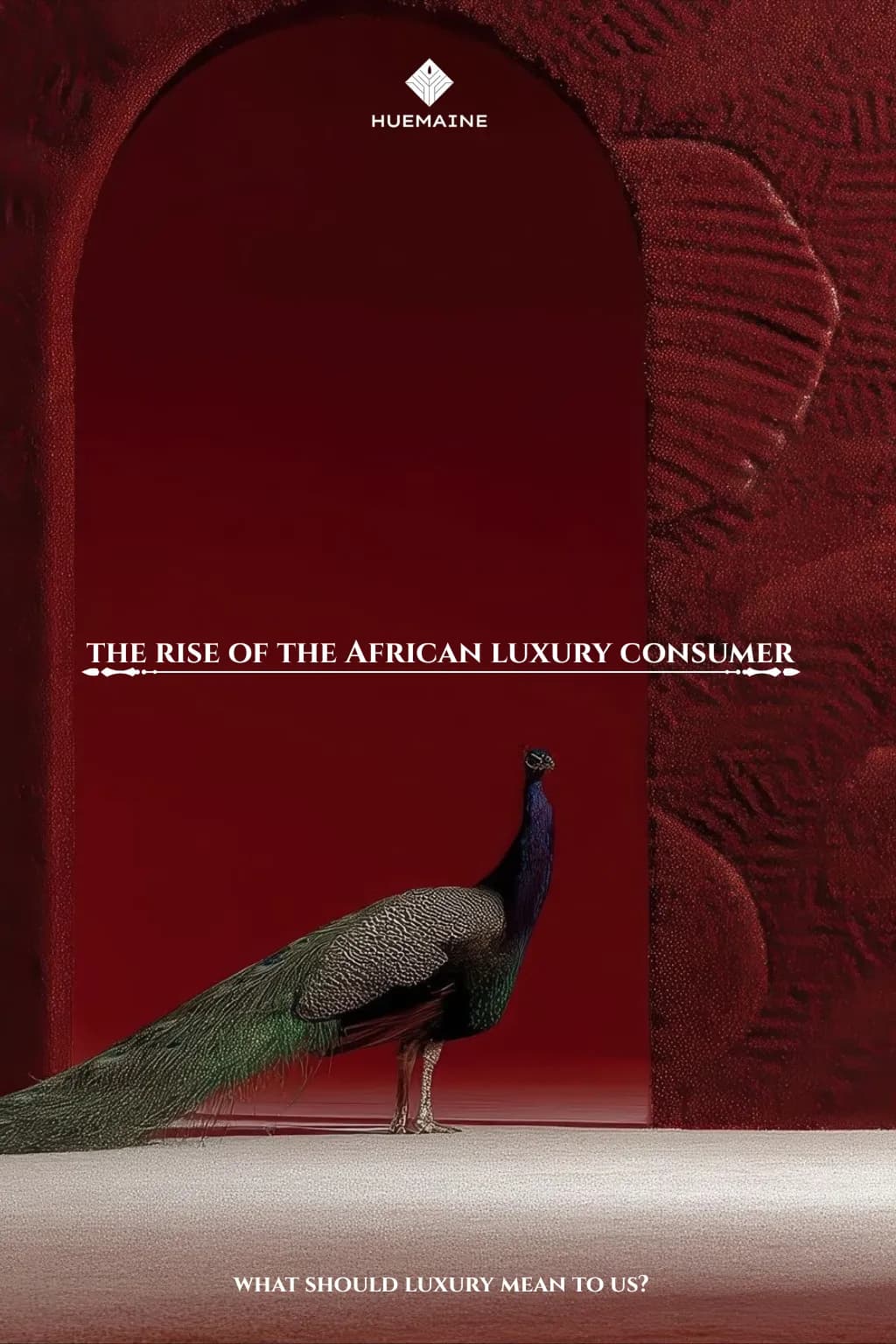
“What should luxury mean to us?”
And the brands that understand that shift will not simply sell luxury in Africa.
They will help define its next era.
Nelo Okpala